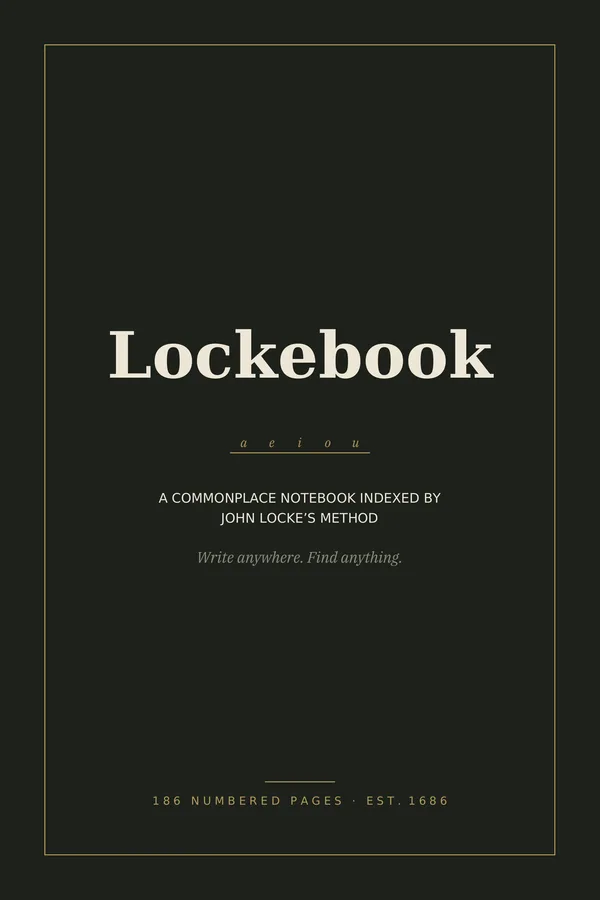
Notebook · See
Lockebook
Write anywhere. Find anything. A commonplace notebook indexed by John Locke’s 1706 method. File each topic by two letters and keep the whole index on a few pages. 186 numbered pages, no sections to plan, no lost ideas.

Formidable Function is what you gain when you learn to decode the game around you. Three notebooks that each do one job well, and a free weekly newsletter that decodes one lesson the rulebook leaves out. By Ryan Joseph.
The notebooks
An idea you don’t practice is just an opinion. Each of these gives you one method and the pages to run it. 6 x 9 in paperbacks, on Amazon.
Three notebooks, one system. Lockebook collects what you see. Taps & Reveille keeps the daily rhythm. Intent & Impact aims a 13-week campaign and checks where each day landed. Start with one or use all three.
Notebook · See
Write anywhere. Find anything. A commonplace notebook indexed by John Locke’s 1706 method. File each topic by two letters and keep the whole index on a few pages. 186 numbered pages, no sections to plan, no lost ideas.
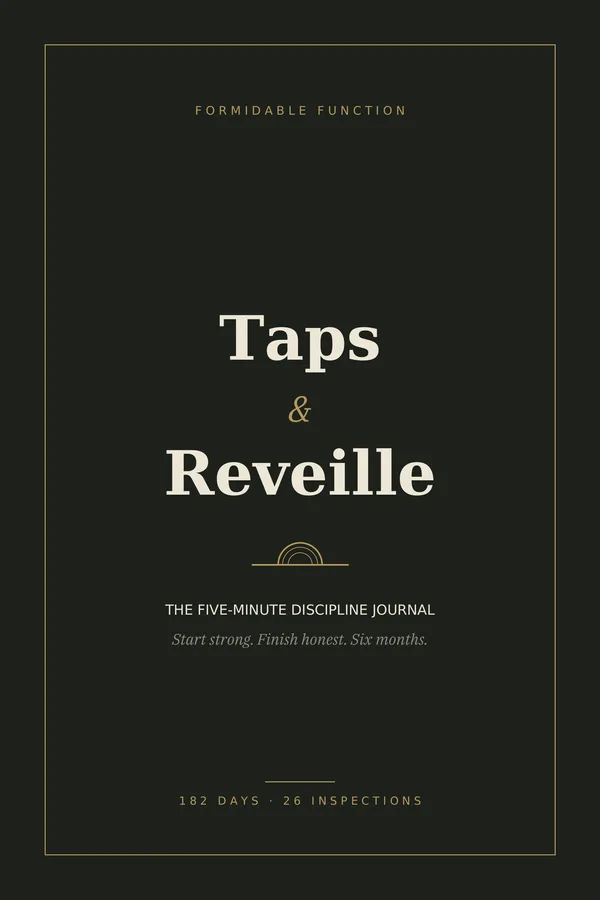
Journal · Be present
Five minutes to start the day. Five to finish it. A short morning page, a short night page and a weekly Inspection. 182 undated days, six months of practice.
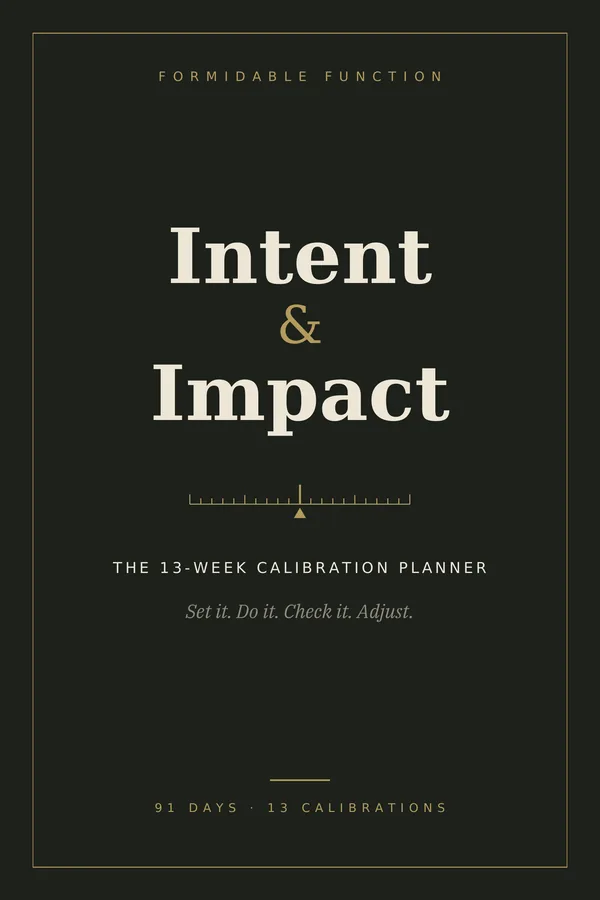
Planner · Own it
Set your intent. Act on it. Compare the result. Adjust. The 13-week calibration planner: aim the day in the morning, decode where it landed at night, and recalibrate every week. 91 undated days, 150 pages.
LP/OP Newsletter
Every system runs two games: the one it describes and the one that decides outcomes. Each week LP/OP hands you one lens on the second, a method to use it, and one question to turn on your own position. Free.
About
I’m Ryan Joseph. I write about the counterintuitive lessons that helped me get ahead: why systems reward position more reliably than effort, why the rules as written and the rules as practiced are different documents, and how to act on what you see without white-knuckling the outcome.
The notebooks exist because ideas only compound when you practice them. These are the pages I practice on.